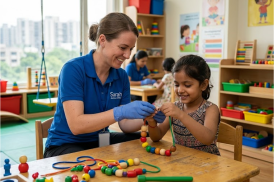
Occupational Therapy is a holistic, client-centered rehabilitation service designed to help individuals regain independence, confidence, and functional abilities in daily life. It supports children, adults, and seniors facing developmental delays, physical limitations, neurological conditions, sensory challenges, or difficulties performing everyday activities. Occupational Therapy focuses on improving fine motor skills, hand-eye coordination, cognitive abilities, sensory processing, and self-care skills through personalized therapeutic activities. This therapy emphasizes enhancing overall participation in meaningful tasks such as dressing, eating, writing, playing, working, and social interaction. By using evidence-based techniques, adaptive tools, and task-oriented training, Occupational Therapy ensures therapy goals align with individual needs, environments, and lifestyles. Modern Occupational Therapy promotes functional movement, emotional regulation, and problem-solving skills while encouraging independence and long-term progress. With consistent therapy and guidance, individuals can achieve improved daily performance, increased self-reliance, and a better quality of life.
Learn MoreOccupational Therapy focuses on helping children develop the skills needed for daily activities and independence. It supports physical, sensory, cognitive, and motor development through structured and meaningful therapeutic activities.
Occupational Therapy helps children improve focus, coordination, and functional abilities. It supports children with developmental delays and sensory challenges to perform everyday tasks with confidence.
Occupational Therapy is beneficial for children facing developmental delays, sensory processing issues, fine motor difficulties, or challenges in daily functioning at home or school.
Therapy sessions focus on improving fine motor skills, sensory regulation, coordination, and problem-solving abilities to support functional and academic performance.
Each child’s progress is regularly evaluated through observation and skill-based assessments. Therapy plans are updated based on progress and developmental goals.
Therapy sessions are scheduled based on individual needs. Each session is structured, engaging, and designed to encourage active participation and consistent progress.
Parents are actively involved in the therapy process. Guidance and strategies are shared to help reinforce skills at home and support overall development.
The therapy environment is safe, engaging, and sensory-friendly. It encourages learning, exploration, and independence in a structured and supportive setting.